
Texture & Materials — Soft Things
Texture is often the first thing you feel

The first thing I notice in the shop each morning isn’t colour or cut — it’s texture.
Running my hand along the rail before opening, I can feel which pieces were made with intention. Some fabrics give immediately. Others hold their shape. A few soften slowly, as if they’re still becoming themselves.
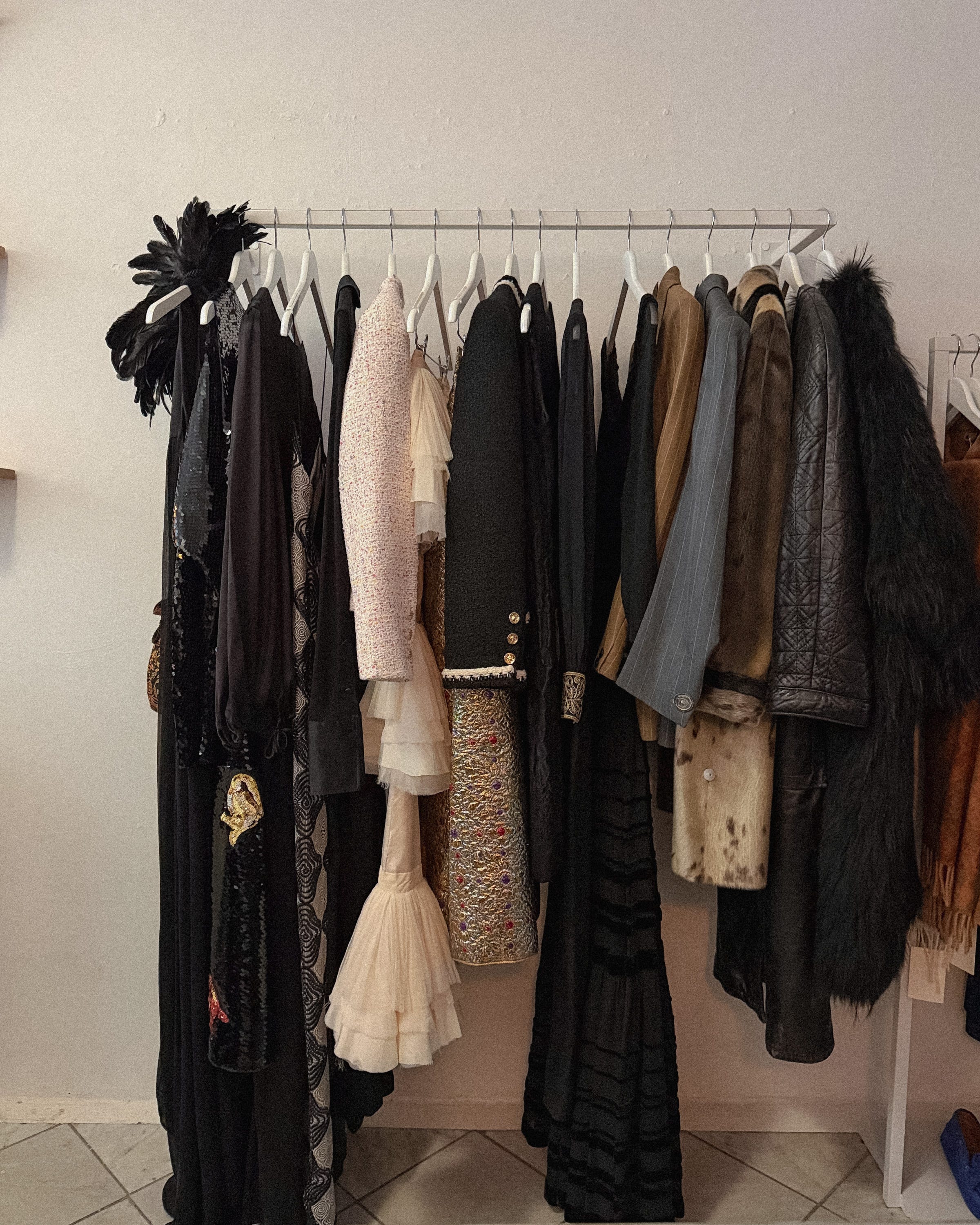
Texture is often the first thing you feel — long before you notice a label.
Over time, I’ve realised how much this matters. Materials used to be chosen for how they would age, not just how they would look when new. Today, surface often replaces substance. Clothes are expected to photograph well, move quickly, and disappear just as fast. What they feel like — in the hand, on the body — has quietly become secondary.
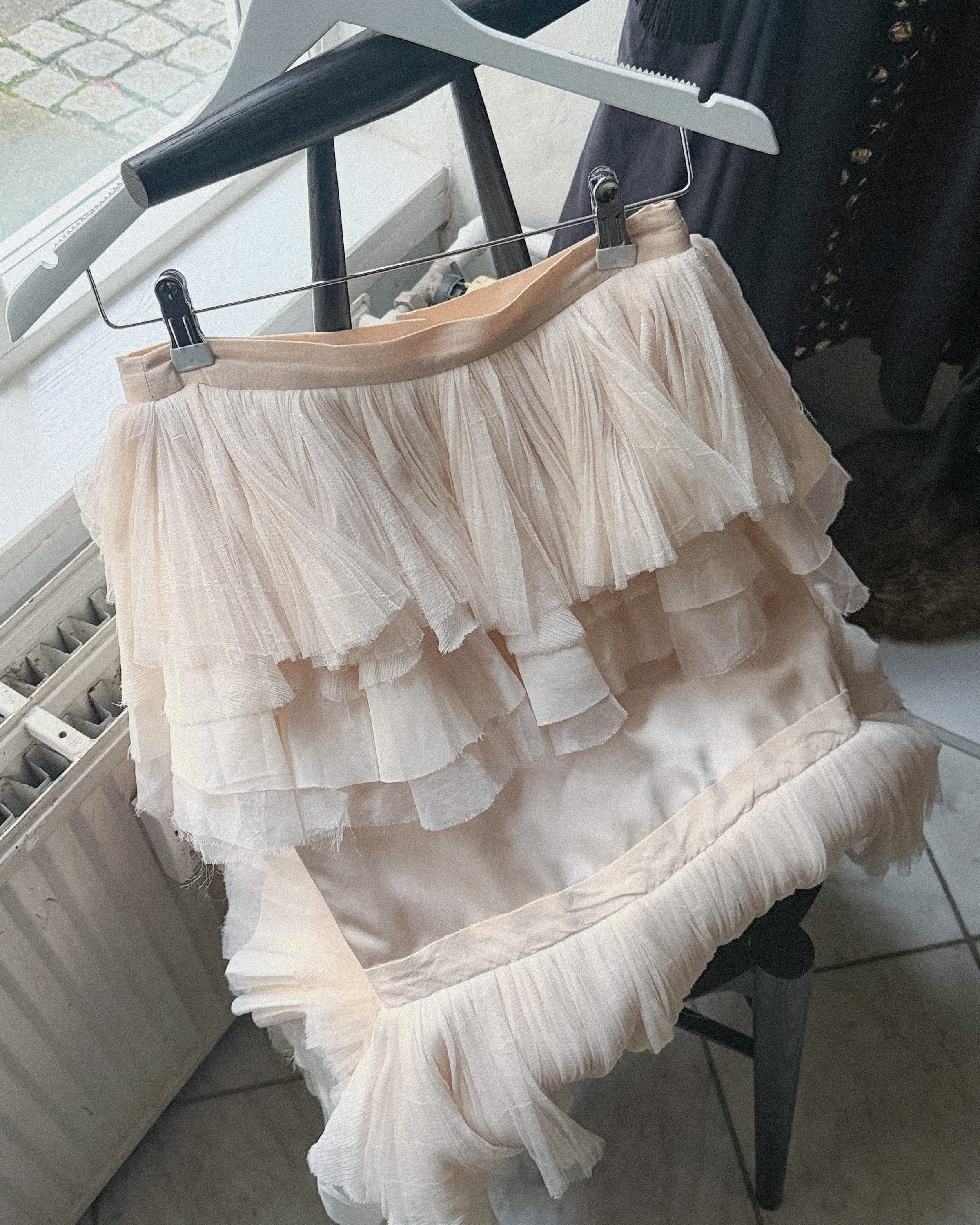
Vintage teaches you something different.
Soft materials from earlier decades carry weight in a way that’s hard to replicate now. Not heaviness, but density — fabric that has structure without stiffness, softness without fragility.
A brushed wool coat that’s worn thin at the cuffs but still warm and fluid through the body.
A silk blouse that has lost its shine but gained a depth and movement that only comes with time.
Cotton that’s softened through years of washing, becoming lighter without losing its integrity.
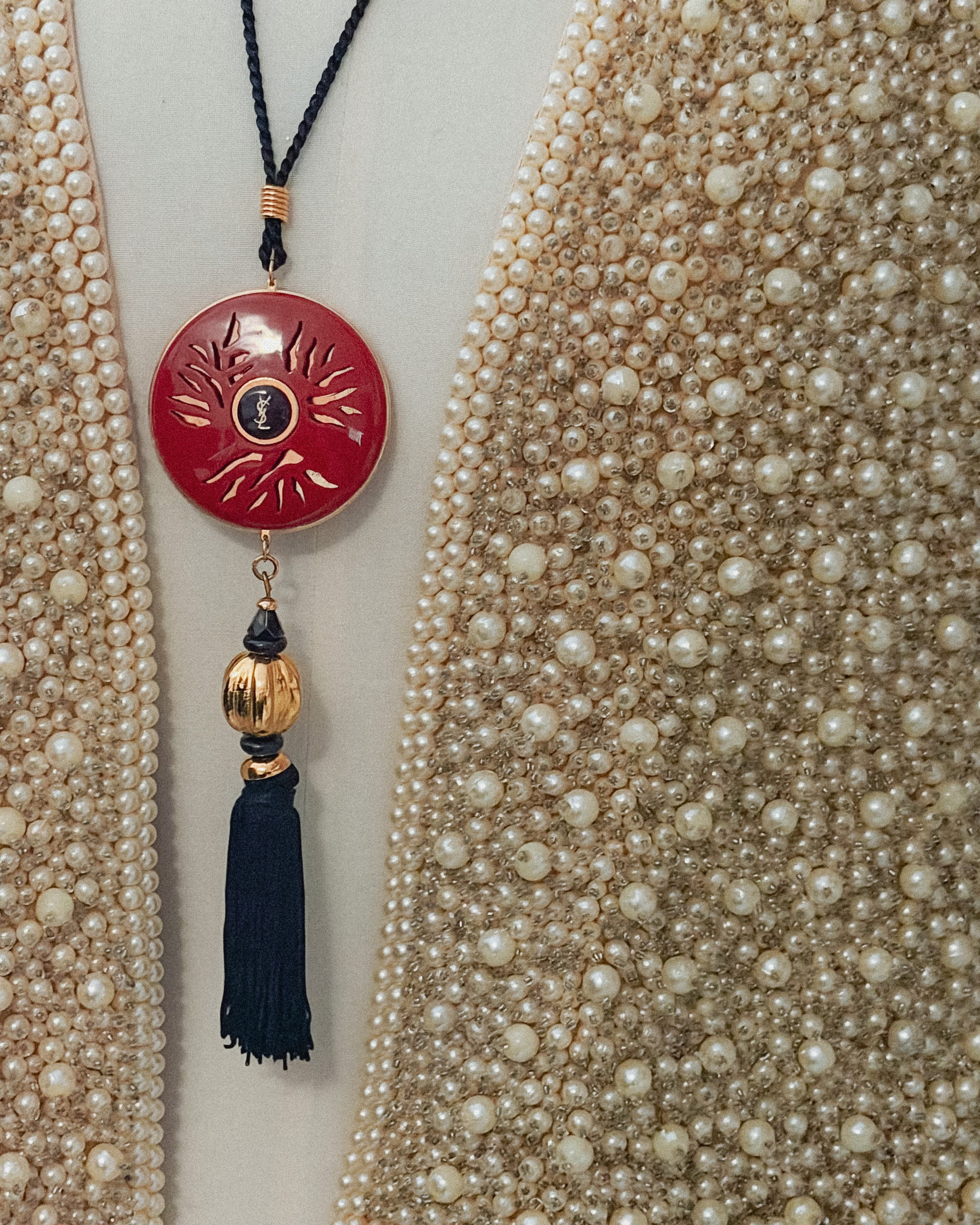
Wear doesn’t weaken these garments.
It shows how they’ve been cared for.
Touch matters here. You can’t always see quality in a photo, but you can feel it immediately. Weight, surface, and drape reveal more than trends ever could. These are details learned slowly — by handling clothes, wearing them, living with them.
Some materials are designed to age, not to remain perfect.
And once you start noticing that, it becomes hard to unlearn. You begin to reach for pieces that feel grounded. Reassuring. Honest. Clothes that don’t ask for attention, but reward it.
Texture remembers what fashion forgets.